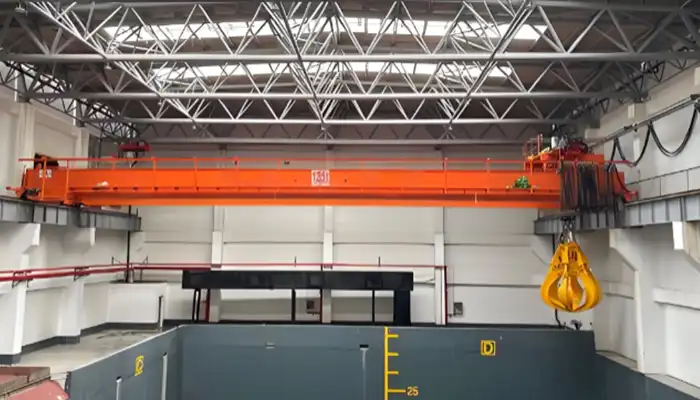
Operator Cabin vs Remote Control Garbage Handling Overhead Crane
menu_open
Content Quick Link
Operator Cabin or Remote Control? Choosing the Best Control Mode for Garbage Cranes
Introduction
Municipal Solid Waste (MSW) plants rely on waste grab cranes to handle large volumes of garbage efficiently. These cranes lift tons of waste from bunkers, pits, or conveyors and move it to processing areas. They are central to daily operations, and their performance affects plant efficiency, operator comfort, and safety.
One of the first decisions for plant managers and operators is choosing the crane control mode. The two main options are working from a waste grab crane operator cabin or using a remote control garbage crane. Each choice has practical implications for plant operations and the wellbeing of operators.
Why This Choice Matters
Selecting the right control mode impacts several critical areas:
- Operations efficiency: Determines how quickly and accurately the crane can handle waste, influencing overall plant throughput.
- Operator ergonomics: Affects comfort, fatigue, and long-term health for operators who may work long shifts.
- Safety: Minimizes exposure to dust, vibrations, noise, and other hazards common in MSW facilities.
- Automation readiness: Ensures that the chosen control mode can integrate with future automation upgrades for smarter, safer operations.
Making an informed decision between a cabin-based or remote-controlled crane is not just about current operations—it sets the foundation for long-term reliability, safety, and productivity.
Control Modes
Choosing the right control mode for a waste handling crane is a critical step for MSW plant operators. Both operator cabins and remote control systems have unique benefits and practical considerations. Understanding these differences helps plant managers balance efficiency, safety, and long-term operational needs.
Waste Grab Crane Operator Cabin
A waste grab crane operator cabin is a dedicated space mounted on the crane structure, usually positioned above the waste bunker or pit. It gives the operator a clear, direct view of the working area and integrates all the crane’s controls within easy reach. Cabins are designed with ergonomics in mind, often featuring adjustable seating, climate control, and control panels arranged for intuitive operation.
Advantages:
- Direct visibility: Operators can see the grab, load, and surrounding area in real time, which improves precision.
- Immediate reaction: Being physically on the crane allows operators to respond quickly to sudden situations.
- Ergonomic design: Adjustable seats, footrests, and control layouts reduce fatigue during long shifts.
- Integrated controls: All levers, joysticks, and safety devices are centralized for convenience and efficiency.
Limitations:
- Exposure to vibrations and noise: Constant crane movement and plant machinery can be physically taxing.
- Dust and debris: MSW facilities generate dust and odors that can affect operator comfort and health.
- Safety risks: Operators are physically on the crane, which could be dangerous during emergencies or equipment failure.
Remote Control Garbage Crane
A remote control garbage crane allows operators to control the crane from a safe distance, either from the ground level or a separate control room. Modern remote systems use wired or wireless connections and often include cameras, sensors, and feedback indicators to replicate the operator’s view. There are basic manual remotes as well as more advanced smart systems that integrate with plant automation.
Advantages:
- Enhanced operator safety: Operators are removed from direct exposure to dust, debris, noise, and vibrations.
- Mobility and flexibility: Operators can move around the facility to get better viewing angles and situational awareness.
- Reduced fatigue: No need to sit in a vibrating cabin; operators can work in more comfortable conditions.
- Ease of integration: Modern remote systems can be combined with automation and monitoring systems for improved efficiency.
Limitations:
- Signal reliability: Wireless systems may experience interruptions, while wired setups limit operator movement.
- Potential response delay: Remote control may introduce slight delays in crane movements, which can affect precision.
- Training required: Operators must learn how to interpret camera views, sensor feedback, and remote controls effectively.
Operational and Safety Considerations
When choosing between a waste grab crane operator cabin and a remote control garbage crane, operational efficiency and safety are deeply connected. Both control modes affect how operators perform, how safe the plant is, and how smoothly daily operations run.
Operator Safety
Ensuring operator safety is critical in MSW plants, where cranes handle heavy loads and move debris constantly.
- Operator cabins provide partial protection but still expose operators to vibrations, dust, and occasional hazards during crane malfunctions.
- Remote control garbage cranes keep operators away from the immediate work area, reducing exposure to debris, dust, and other physical risks.
Ergonomics and Fatigue
Long shifts and repetitive tasks can impact operator comfort and performance.
- In cabins, operators may face vibration, visual strain, and posture issues, even with adjustable seats and control layouts.
- Remote control systems allow operators to work from a stable, comfortable location, reducing fatigue and physical stress over long shifts.
Environmental Factors
MSW facilities are harsh environments that affect operator health and focus.
- Noise, heat, and dust can reduce attention and increase stress levels for cabin operators.
- Remote operation enables personnel to stay in safer, cleaner areas, minimizing exposure to environmental hazards and improving operational accuracy.
Risk Management
Effective risk management is essential regardless of control mode.
- Emergency stops, fail-safes, and safety interlocks are standard for operator cabins.
- Remote control systems rely on electronic monitoring, sensors, and alerts to ensure safe operation.
- Regular training and maintenance are critical to ensure all safety measures function correctly.
Remote Operation Trends in Waste Handling
The adoption of remote control garbage cranes is growing steadily in MSW plants around the world. Facilities are increasingly focused on improving efficiency, operator safety, and operational flexibility, making remote operation a practical solution rather than a specialized option.
Industry Adoption Rates
Remote-controlled waste grab cranes are no longer limited to high-tech or experimental plants.
- Many modern MSW facilities, particularly those handling hazardous or high-volume waste, now include remote operation as a standard feature.
- Older plants may still rely on operator cabins, but retrofitting with remote control systems is becoming more common.
Integration with Automation and Smart Infrastructure
Remote control systems can integrate closely with crane automation readiness and smart plant technologies.
- Cameras, sensors, and real-time monitoring allow operators to control multiple functions with greater precision.
- Integration supports predictive maintenance and performance tracking.
- These systems can be upgraded to semi- or fully automated crane operations in the future.
Benefits for High-Throughput or Hazardous Operations
Remote operation offers clear advantages in demanding environments:
- Keeps operators safe from dust, debris, vibrations, and other hazards.
- Enables precise handling of heavy or irregular loads.
- Reduces fatigue, improving attention and accuracy during long or busy shifts.
- Provides flexibility for future automation upgrades, making the plant more adaptable over time.
Ergonomics and Productivity Impact
Ergonomics plays a critical role in MSW plant operations, especially for operators who spend long hours handling waste grab cranes. The choice between an operator cabin and a remote control garbage crane directly affects fatigue, comfort, and control precision, which in turn influences overall productivity.
Operator Fatigue and Comfort
Long shifts in a physically demanding environment can take a toll on crane operators.
- Operator cabins provide adjustable seating and centralized controls, but vibration, noise, and visual strain can still cause fatigue over time.
- Remote control operation allows operators to work from stable, safer locations, reducing physical strain and mental fatigue.
- Comfortable operators are more alert, responsive, and less likely to make errors during crane operation.
Control Precision and Efficiency
How operators interact with the crane affects handling accuracy and plant throughput.
- Operator cabins offer direct visibility, which can help with precise grab placement, especially in complex or crowded waste bunkers.
- Remote control systems equipped with cameras, sensors, and feedback indicators provide precise control while keeping operators away from hazardous conditions.
- In both cases, ergonomic design and intuitive controls improve handling efficiency and reduce cycle times.
Long-Term Operational Health Benefits
Prioritizing ergonomics not only improves immediate productivity but also supports long-term health:
- Reduced fatigue lowers the risk of musculoskeletal issues and stress-related health problems.
- Remote control operation minimizes exposure to dust, noise, and vibrations, protecting respiratory and auditory health.
- Healthier operators are more consistent and reliable, contributing to sustained plant performance over years of operation.
Focusing on ergonomics and operator comfort ultimately benefits both the workforce and the facility's bottom line, enhancing efficiency, safety, and long-term productivity.
Automation Upgrade Paths
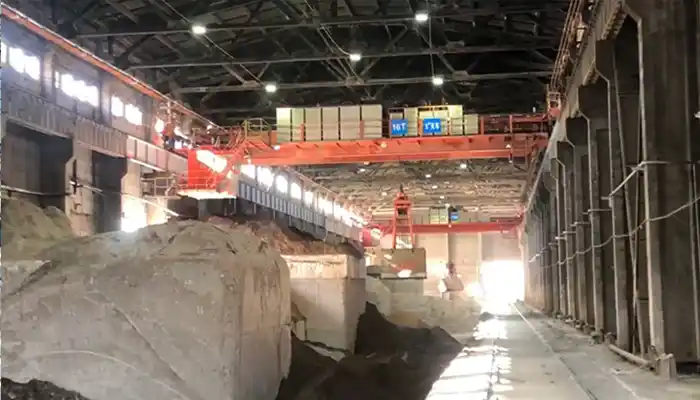
As MSW plants evolve, automation readiness becomes an essential factor when choosing between a waste grab crane operator cabin and a remote control garbage crane. Selecting the right control mode today can make future automation upgrades smoother and more cost-effective.
Integration with Automation-Ready Cranes
Both operator cabins and remote control systems can work with automation-ready cranes, but they differ in how easily they integrate:
- Operator cabins can be upgraded with sensors, cameras, and partial automation features to assist operators without replacing the entire control system.
- Remote control systems are often easier to integrate with full automation because they already rely on digital communication, sensors, and real-time feedback.
- Planning for automation from the start ensures the crane can eventually operate semi-automatically or fully automatically with minimal downtime.
Hybrid Operation Opportunities
Some plants benefit from hybrid setups that combine the best of both worlds:
- A crane equipped with an operator cabin for direct visibility in complex lifts, and a remote control option as a backup during hazardous conditions.
- Hybrid setups provide operational flexibility, allowing the plant to handle different waste types and environmental conditions safely.
- This approach can also serve as a gradual step toward full automation, giving operators time to adapt.
Scaling Up Plant Automation
When expanding automation in an MSW facility, several practical considerations come into play:
- Ensure the chosen control mode supports integration with plant-wide monitoring and management systems.
- Consider future throughput requirements and how automation can optimize cycle times and reduce operator workload.
- Training operators to work with both manual and automated modes improves efficiency and safety during the transition period.
Decision Framework for MSW Plant Managers
Selecting the right control mode for a waste grab crane—whether an operator cabin or a remote control garbage crane—requires careful consideration of several practical factors. Plant managers must balance operational efficiency, operator safety, and long-term productivity to make the best choice.
Key Factors to Weigh
Several operational and environmental aspects influence the decision:
- Plant size: Larger facilities may benefit from remote control operation for better coverage and flexibility, while smaller plants may be efficiently served by operator cabins.
- Waste type: Hazardous, irregular, or bulky waste may favor remote operation for safety, whereas consistent loads might be managed effectively from a cabin.
- Throughput requirements: High-volume operations demand faster cycle times and minimal downtime, which can favor remote control systems with integrated sensors and feedback.
- Operator skill levels: Experienced operators may leverage direct cabin control for precise handling, while remote control can reduce training requirements for newer staff by using visual aids and intuitive interfaces.
Cost, Safety, and Productivity Trade-Offs
Choosing a control mode involves balancing multiple priorities:
- Cost: Operator cabins generally have lower upfront costs, but remote control systems can reduce long-term health risks and downtime.
- Safety: Remote control provides greater protection from dust, debris, and vibrations, while cabins require safety measures like reinforced structures and fail-safes.
- Productivity: Both modes can achieve high efficiency, but remote control may improve consistency and reduce operator fatigue in long shifts.
Recommendations for Selecting the Right Control Mode
To make an informed decision, plant managers should:
- Evaluate the plant's current layout, waste handling requirements, and throughput targets.
- Consider operator safety and long-term ergonomics as key criteria alongside cost.
- Assess the facility's readiness for future automation or hybrid setups.
- Consult with crane suppliers to determine which system aligns best with operational goals and long-term maintenance strategies.
Conclusion
Selecting between a waste grab crane operator cabin and a remote control garbage crane is more than a simple choice—it impacts efficiency, safety, and long-term plant performance. Understanding the strengths and limitations of each option helps MSW plant managers make practical decisions for their operations.
Comparing Control Modes
Operator Cabin:
Operators benefit from direct visibility and immediate control, which is especially useful for precise handling. Cabins also offer integrated controls and ergonomic seating. However, operators are exposed to vibrations, dust, noise, and other workplace hazards that can affect health and comfort over long shifts.
Remote Control Garbage Crane:
Remote control systems enhance operator safety by keeping personnel away from hazards. They reduce fatigue, allow flexible positioning, and can easily integrate with automation-ready infrastructure. On the downside, they may have minor response delays, require reliable signals, and need trained operators to manage sensors and camera feeds effectively.
Practical Takeaways
- Ergonomics matter: Comfortable operators are more productive and less prone to fatigue or errors.
- Safety is critical: Remote operation can minimize exposure to dust, noise, and vibrations.
- Plan for the future: Automation-ready systems allow for smoother upgrades and long-term operational efficiency.
Next Steps for Plant Managers
- Engage experienced crane suppliers to evaluate customized control solutions.
- Consider hybrid options that combine cabins with remote backup for flexibility.
- Align the control mode with your plant’s operational goals, safety requirements, and future automation plans.
Choosing the right control mode today sets the foundation for safer, more efficient, and reliable waste handling for years to come.

Article by Bella ,who has been in the hoist and crane field since 2016. Bella provides overhead crane & gantry crane consultation services for clients who need a customized overhead travelling crane solution.Contact her to get free consultation.